
Infrastructure headlines are everywhere in Egypt right now. For an operator building 2027 Egypt tour packages, the real question is what’s bookable today and what’s still on the way.
The recent developments in transportation in Egypt are a new toolkit for building itineraries that weren’t practical before. Rail, road, and river now combine in a single trip. Multi-city itineraries run without dead time. Access to sites like Abu Simbel and the Grand Egyptian Museum keeps getting faster. Infrastructure is becoming less of a concern and more of a selling point.
This piece walks through five areas. High-speed rail, the Cairo Monorail, Bus Rapid Transit on the Ring Road, river transportation, and the National Roads Project. We reflect on what all of it means for global operators selling Egypt and for Egypt’s ground operators like Tarot Tours.
The Development of Transportation in Egypt: Context for Operators
The development of transportation in Egypt is a coordinated, multi-year push tied to Egypt Vision 2030, and rail, monorail, BRT, river, and road projects are pieces of one system.
Every one of these projects ties back to national tourism growth targets, not just urban planning. Cairo traffic congestion is a known pain point for tourists trying to reach historic sites in the capital. Other attractions, like the Saqqara Pyramid and Abu Simbel temples, are scattered across the desert with little reliable transportation and long travel times.
For a couple of years, we’ve already seen this modernization of Egypt’s infrastructure pay off:
- Egypt ranked second-highest in the African Infrastructure Development Index (AIDI) in 2025.
- That year, Egypt welcomed around 19 million tourists, a 21% increase from 2024.
- As for 2026, tourism in Egypt held its momentum into the first half, with roughly nine million tourist arrivals, up 4% year-on-year in its inbound tourism rates.
These aren’t coincidental. Infrastructure investment and tourism growth are moving together. Operators who begin planning around these routes now will be ready to launch them as services become available.
Egypt High-Speed Rail: Cairo to Aswan in Six Hours
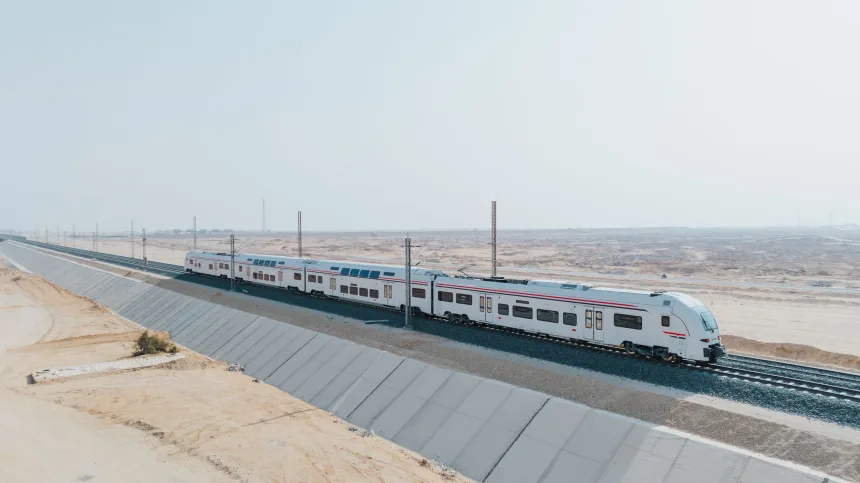
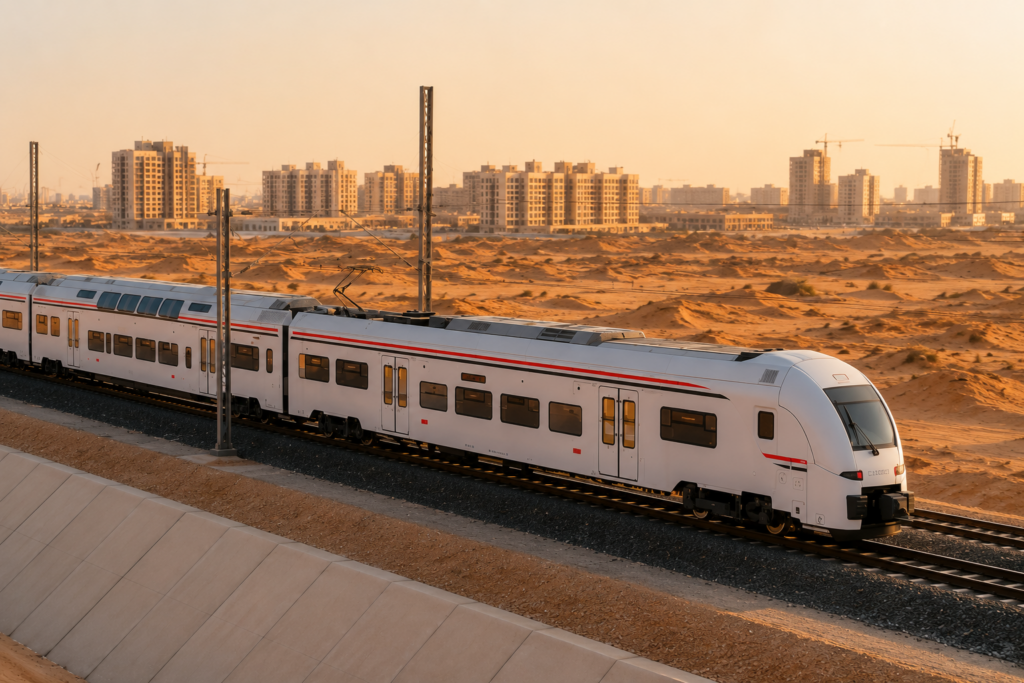
The headline project is a high-speed rail line connecting Cairo, Alexandria, Luxor, and Aswan, with links to Red Sea coastal destinations. This is a national network, not a single point-to-point route.
Egypt’s high-speed train is built for a specific traveler: the one who likes road trips but doesn’t want a long cruise. It lets travelers cross Egypt from north to south in comfortable, sustainable train cars. A real upgrade from the standard 12-hour overnight journey in Cairo-to-Aswan Sleeper Trains.
A quick comparison for the best ways to travel from Cairo to Aswan:
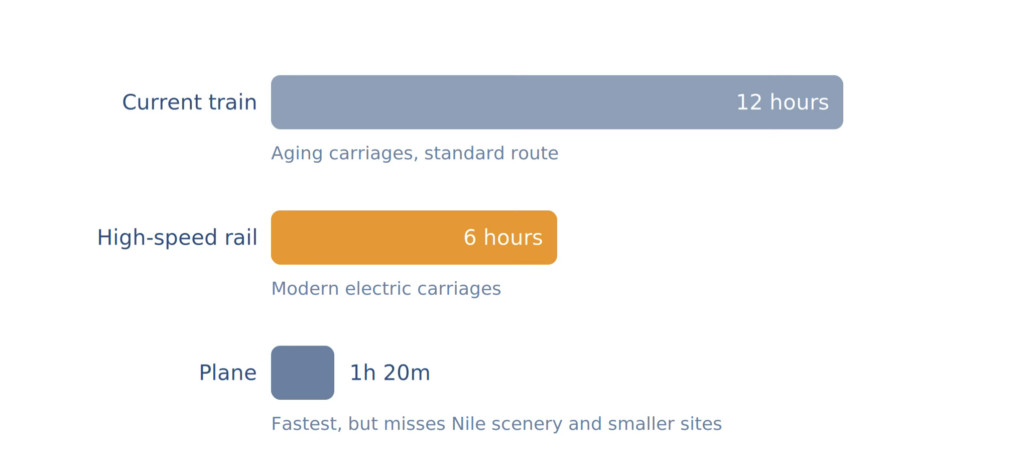
A 10-day Egypt itinerary no longer has to choose between flying and cruising. Operators can combine Cairo, Luxor, and Aswan overland while giving travelers the Nile scenery they would normally miss on a flight.
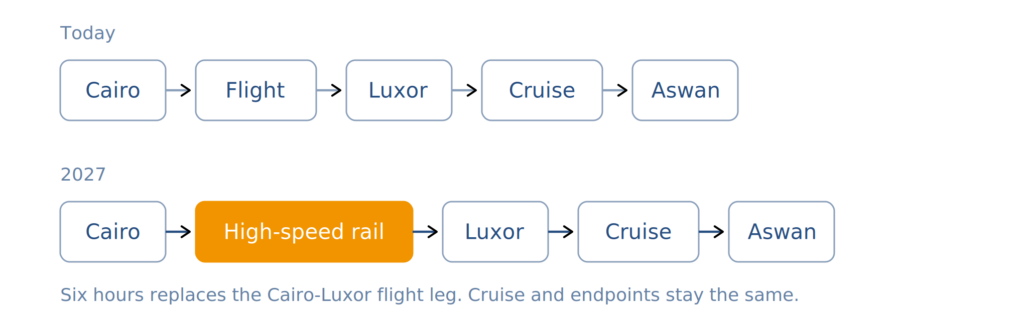
Trials for Phase 1 of the high-speed railway are set to begin in autumn 2026, while the full line is expected to open in mid to late 2027. So, there’s nothing bookable on Egypt’s bullet train yet. But proposals and 2027 Egypt tour programs should start referencing rail-inclusive routes now, ahead of operators who wait for the ribbon-cutting.
Rail could become an attractive alternative to the Cairo–Luxor flight in a classic Egypt tour for operators looking to create slower, scenery-focused itineraries.
Cairo Monorail: Reaching the Newer Hotel Districts
The Cairo Monorail is built for a different traveler than the rail line above. The one who wants to witness the culture through public transportation in Egypt, not just get between two points quickly.
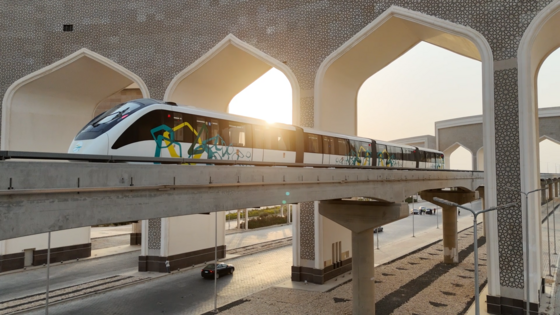
The East Nile line of the Monorail covers 35 miles of Cairo, running from old, busy Nasr City to the modern New Administrative Capital. It solves a real problem for citizens and tourists alike: Cairo is a sprawling city, and newer areas like New Cairo and the New Capital continue to draw attention. Distance and Cairo traffic congestion frustrate those trying to reach them.
The East Nile line is operational now, and the 2026 World Cup gave it a real stress test. It offered 15-minute free rides to the Egyptian Fan Zone (EFZ), home to the largest screen streaming the World Cup anywhere. Roughly 20,000 passengers used the monorail for the opening ceremony alone. That’s tourist-scale capacity, not just commuter traffic.
The West Nile line, running 26 miles through Giza and connecting to New October City and Sheikh Zayed City, is expected to open in 2027.
Hotel stays in New Cairo or the New Capital are easier to route now. In about a year, the West line brings the same improvement to the western side of Giza, including Sheikh Zayed’s hotel corridor. A Cairo–Giza tour that once required three hotel nights before continuing south may now fit comfortably into two, depending on final operating conditions.
Cairo BRT: Indirect but Real Value for Operators
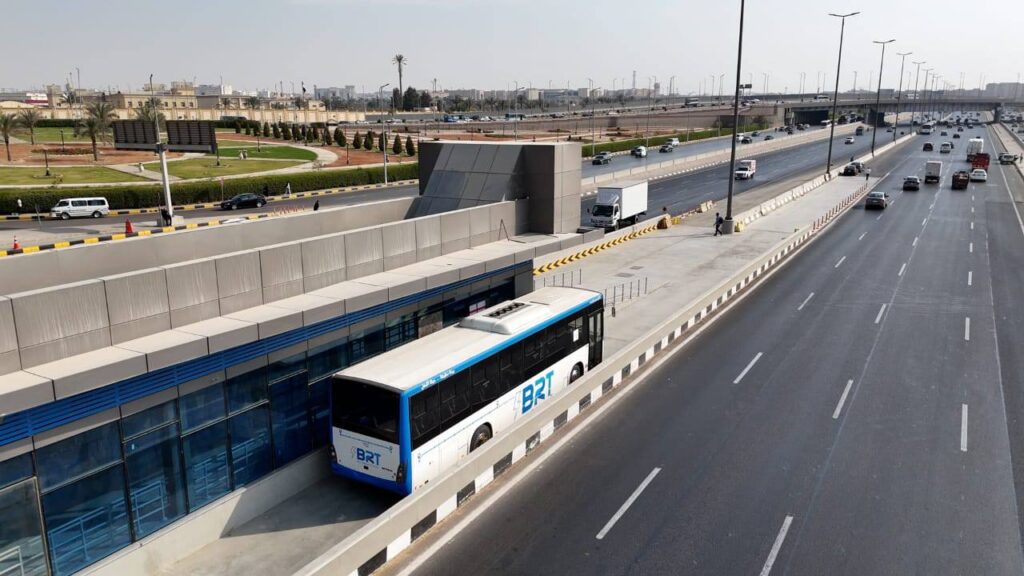
While most luxury travelers will continue using private vehicles, the biggest benefit of Cairo Bus Rapid Transit (BRT) is indirect. The BRT is set to replace public transport on the Ring Road, a major artery in Cairo. This should reduce congestion, improving transfer reliability across Greater Cairo, particularly for routes connecting the Grand Egyptian Museum (GEM), Giza, and downtown.
Ground operators running their own private fleets, like Tarot Tours, won’t rely on BRT directly. But less congestion on the Ring Road benefits every private transfer that uses it too.
Phase 1 of the BRT, 14 stations connecting East Cairo, is open now. Phases 2 and 3, including the tourist-relevant stops near GEM and Old Cairo, are under construction with no confirmed opening date.
Nile River Transport: Floating Bridges, River Buses, and a New Land–Water Tour
The development of river transportation in Egypt is the densest project on this list:
- Building floating bridges to replace manual boats
- Modernizing more than 400 boats
- Upgrading docks across the Nile
- Modernizing 26 river buses in Cairo, Luxor, and Aswan
- Enhancing three major navigable channel corridors (Cairo to Aswan, Cairo to Alexandria, Cairo to Damietta)
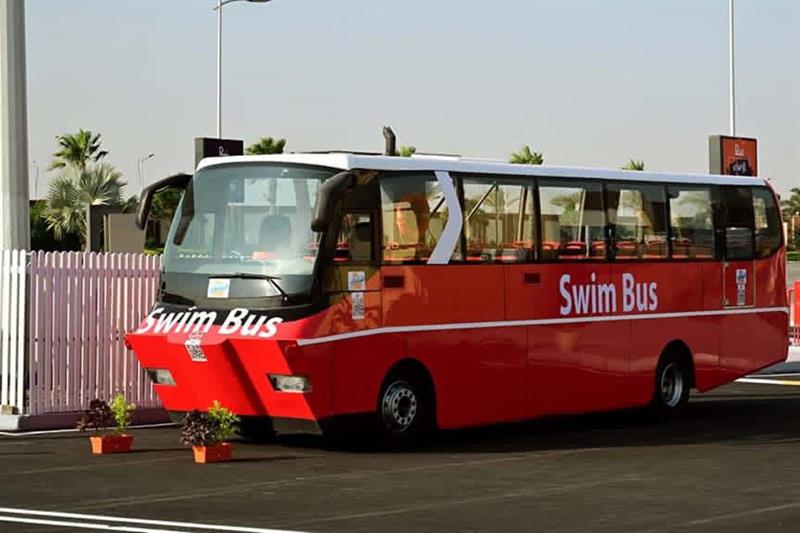
But, our favorite of all: Egypt’s New Amphibious Bus Tours
This is the most novel, sellable item in the entire project. The swim bus travels on land and water in a single sightseeing tour.
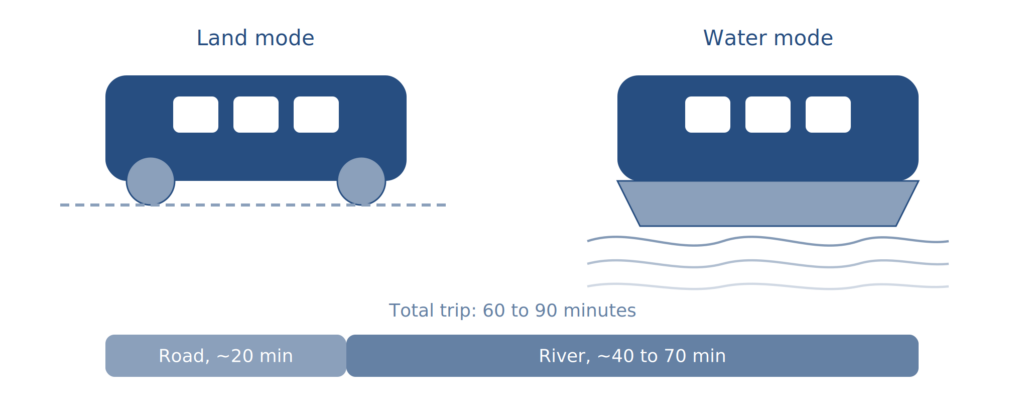
The trial route starts at the National Museum of Egyptian Civilization, then heads to the Nile, a tour combining Nile scenery with archaeological sites. It will expand to Luxor and Aswan, where tourists can see the temples and cruise the Nile on one run.
Because DMCs like Tarot Tours already operate their own private ports and Nile fleet, public-side improvements help streamline the wider journey without changing the guest experience. After decades of coordinating Nile programs, we know small delays compound quickly. More reliable docking infrastructure helps reduce those knock-on effects, one reason the operators favor the Nile for river cruise trips.
As for amphibious buses, you can secure a ride for your group in cooperation with tourism companies in Egypt. Contact us for more information.
Egypt’s National Roads Project: Faster Access to the Pyramids, Red Sea, and Luxor
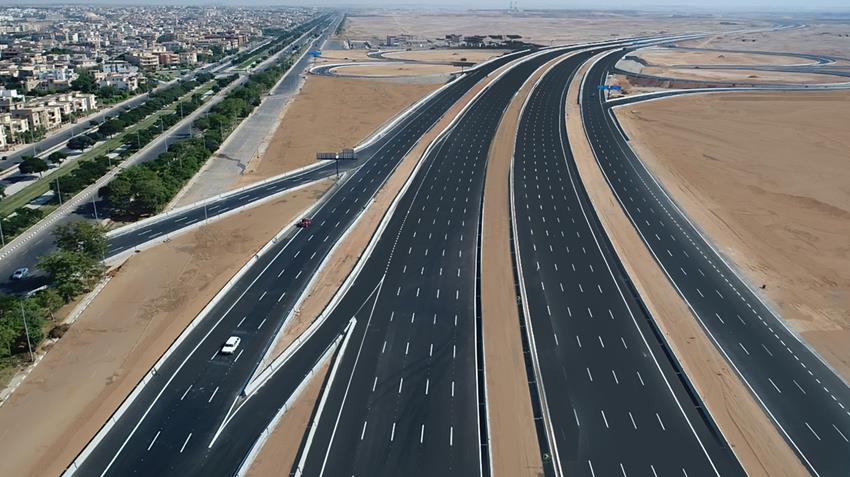
Five road projects are reshaping the overland map. Each solves a specific access problem operators run into today.
Middle Ring Road Extension
This highway connects Greater Cairo from 6th of October City in Giza to the New Administrative Capital, away from the Ring Road traffic. It passes the Saqqara Pyramid along the way, making it easier to get to the off-the-beaten-path site. It also cuts travel time to the Red Sea from Giza, connecting to Ain El Sokhna Road, Gabal El Galala Road, and Suez Road leading to Sinai.
Gabal El Galala Road (Majesty Mountain Road)
This is an engineered mountain highway that avoids dangerous coastal curves on the way to Galala City, El Gouna, Hurghada, and Marsa Alam. It’s a safety upgrade first, but the mountain views along the route are a genuine selling point for Hurghada tours too.
Giza Pyramid Plateau Tourist Road
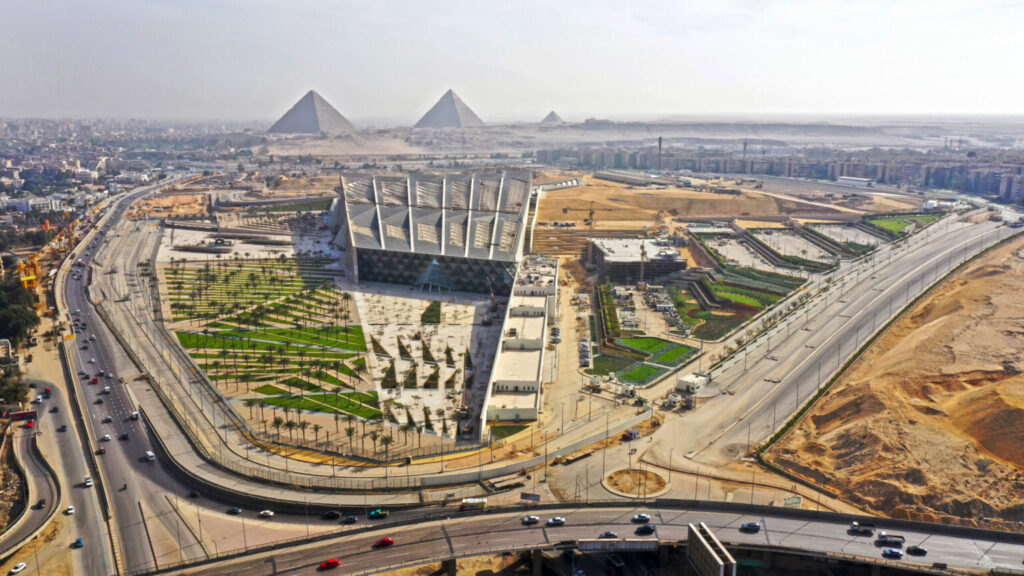
This passage gives tour buses direct access into the GEM area and the Pyramids from Cairo, without dragging traffic through narrow Giza streets. This is a major operational win: direct, uncongested bus access to two of the highest-value sites in the country.

Upper Egypt Western Desert Highway Development
This 762-mile road is underway to connect Cairo to Aswan as part of the major Cairo–Cape Town corridor. It creates new opportunities for operators interested in multi-day overland journeys.
Improved Abu Simbel Highway
This highway improves access from Aswan down to the Sun Temple of Ramesses II. Between faster rail access to Aswan and a better road from there, Abu Simbel is becoming one of the easiest major sites in Egypt to add to a program.
Where Tarot Tours Comes In: Turning Egypt’s Progress in Transportation Into Itineraries
These upgrades in transportation in Egypt compound on infrastructure Tarot Tours already owns.
A stronger national system raises what our own network can deliver too. Faster rail and roads mean more day trips fit into one itinerary. Improved public river transportation streamlines operations at our private ports too. Water buses and modernized transport mean more excursions.
With our experienced operational team working on the ground in Egypt every day, we’re ready to turn these transportation improvements into better itineraries from day one. The payoff is simple: more time spent experiencing Egypt, and less time spent on logistics.
Partner with Tarot Tours to build the itineraries that put this infrastructure to work. Explore our Egypt guided tours, or get in touch to discuss partnership terms.
Answers from Tarot Tours
Is Egypt’s high-speed rail open?
The first phase is expected to begin trial operations in autumn 2026, with broader passenger service planned for 2027. Travelers should continue using existing rail and air services until operations officially begin.
What is the best way to travel in Egypt from Cairo to Aswan?
Today, flying is the fastest option at around one hour and 20 minutes. Once Egypt’s high-speed rail is fully operational, the journey is expected to take around six hours by train, with unique scenery and more stops.
Is public transportation in Egypt suitable for tourists?
Yes, but it depends. Old transport in Egypt, like microbuses, can be overwhelming for tourists. But Cairo’s metro, monorail, and BRT are modernizing public transport with organized, sustainable vehicles.
How are Egypt’s transportation projects affecting tourism?
Improved roads, railways, and river infrastructure are reducing travel times, making it easier to combine destinations such as Cairo, Luxor, Aswan, Abu Simbel, and the Red Sea within a single itinerary.
Will the recent developments in transportation change Egypt tour packages?
Over time, yes. As new transportation networks become operational, tour operators will have greater flexibility to design multi-city itineraries with fewer internal flights and more overland travel options.
Why should tour operators pay attention to transportation in Egypt?
Many transportation projects are still being rolled out, but understanding how they fit together helps operators prepare future itineraries and respond quickly as new transport options become available.